

You can be iron deficient and not know it – even your blood count can look normal, but with low iron stores, it can affect more than your blood – it impacts our energy, our hair, our mood.
You can have iron deficiency for several reasons. In women, it’s quite common because you lose varying amounts of blood during menstruation and also your iron requirements go up during pregnancy, but you can also lose blood when you have blood loss from ulcers, inflammatory bowel disease, or cancer. Thus, whenever we come across iron deficiency, especially in an older person, our mind always goes to making sure that there is no underlying cancer, but rest assured most of the time it is not because of cancer. Another common cause is just not having a high enough amount of iron in your food.
Poor iron absorption is another key factor, think celiac disease or even chronic antacid use (eg pantoprazole).
The other common cause I typically see in the hospital is when people have a lot of chronic inflammatory conditions, such as heart failure, cancer, chronic kidney disease or even elevated BMI, which can all create conditions for reduced iron utilization.
So what will you feel if you’re iron deficient? In early stages, symptoms can be very subtle. It’s only in more advanced stages where you start feeling fatigued, have difficulty concentrating. Some people experience some restless leg and in really advanced cases, you start to develop shortness of breath, lightheadedness, and looking very pale.
When you go to your doctor to get a sense if you have iron deficiency, you need to look at some key things. The first thing is your CBC or you complete blood count which will tell you whether your hemoglobin is normal. With iron deficiency the size of the red blood cell will be smaller and we will be able to see that on your CBC. The next key thing to look at is your ferritin level and when your ferritin level is less than 30 ng/mL it’s very likely that you are iron deficient, but looking at ferritin alone is misleading because ferritin can often be elevated in any state of even mild inflammation in the body so if your ferritin is not low, then you have to get your transferrin saturation level (ie TSAT), to check the amount of iron that is available to your body. So if your TSAT is low, even though your ferritin may be normal or elevated there is still likely a component of iron deficiency. Checking a simple iron level is not going to give you the correct information about your iron stores because an iron level only reflects your recent intake of iron and is constantly fluctuating in the blood. It does not give you good information about your actual iron stores.
When you are diagnosed with iron deficiency, there are two parts that need to be addressed. One of them is why, and the other part is actually replacing the iron that your body needs.
I will leave the why to your medical doctor and address the second part of how to replace your iron stores. You have a couple of options – you can start an oral supplement and you can expect your hemoglobin to start rising in about 2-3 weeks by about 10 g/L (Canadian values). If you start an oral replacement, you should have your iron stores and blood count rechecked in approximately three months to ensure that your body is actually absorbing it. Some people have trouble tolerating oral iron due to bloating or constipation issues and it is OK to try to take it every other day.
Unfortunately, sometimes your body has trouble absorbing oral iron so you have to make sure to take it with vitamin C or some citrus (I usually tell patients to have water with lemon when they’re taking their iron tablet as I’m not a fan of juices in general). And ideally, it should be taken on an empty stomach because a lot of foods and medications will bind iron that you take orally (think tea, coffee, any dairy, antacid, and even high fibre foods will decrease iron absorption).
At the same time, I try to encourage people to look at their dietary intake of foods that are high in iron, as that will obviously be beneficial as well apart from just taking a supplement.
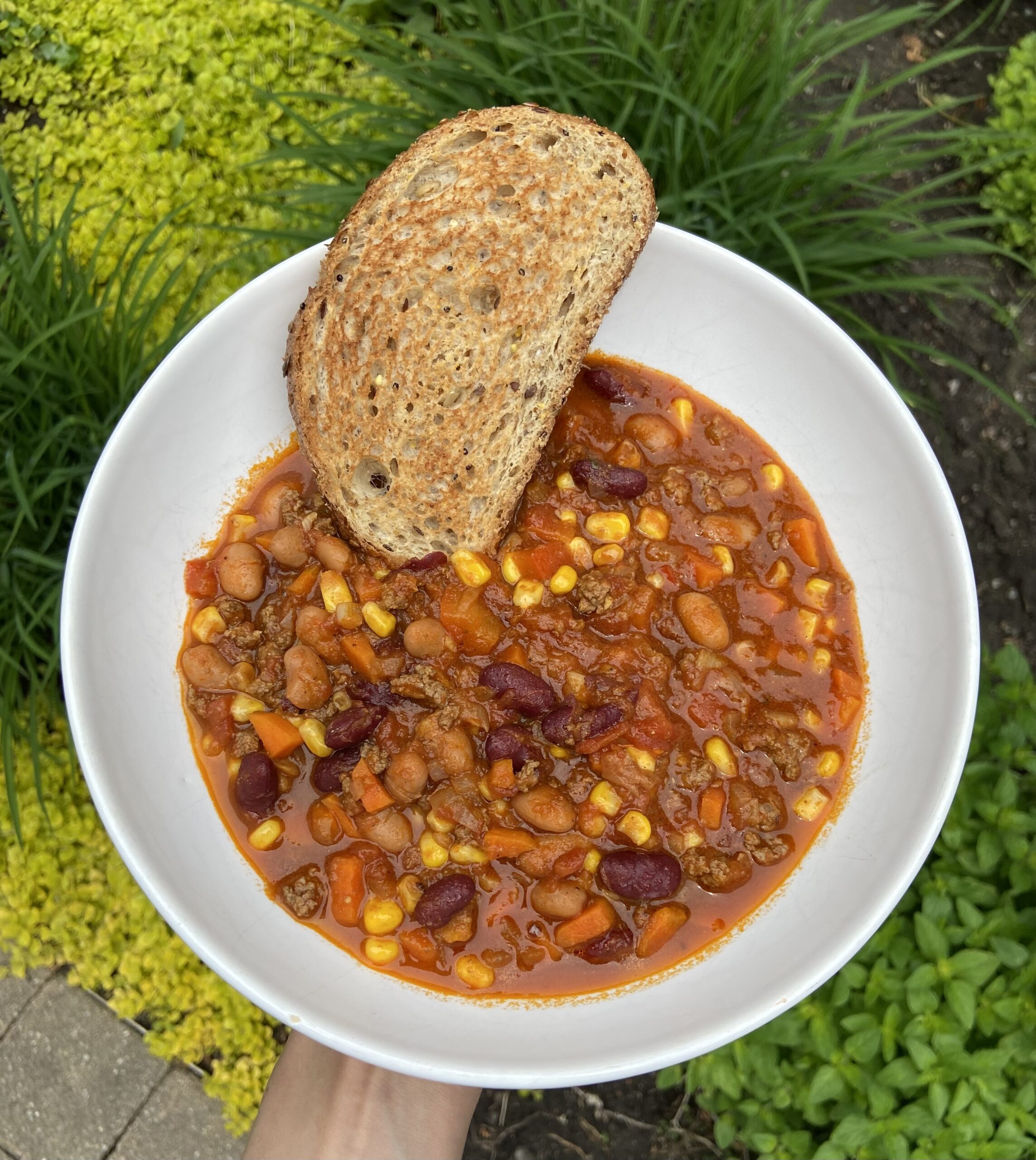
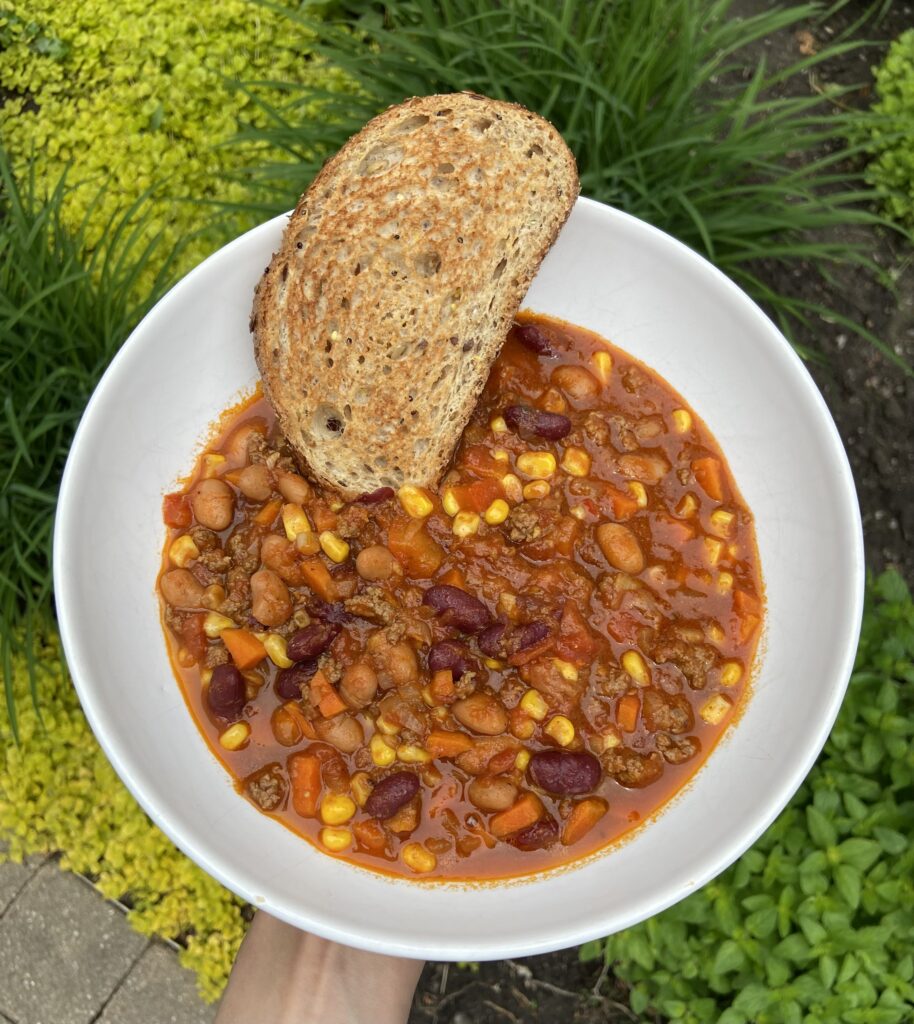
For my non-vegetarian people they can get that from red meat, poultry, fish, or shellfish and heme iron from these sources is usually easier to get but for my vegetarian folks, I ask them to load up on things like lentils, chickpeas, kidney beans, tofu, spinach, pumpkin seeds, quinoa as some examples. You can also add some spirulina powder into a smoothie.
Sometimes it’s hard to get iron levels up with just oral iron, especially if there are issues with absorption and we have to revert to IV iron formulations.
Remember — iron deficiency is common, treatable, and worth correcting. Your body will thank you for it.
Dasha
View comments
+ Leave a comment